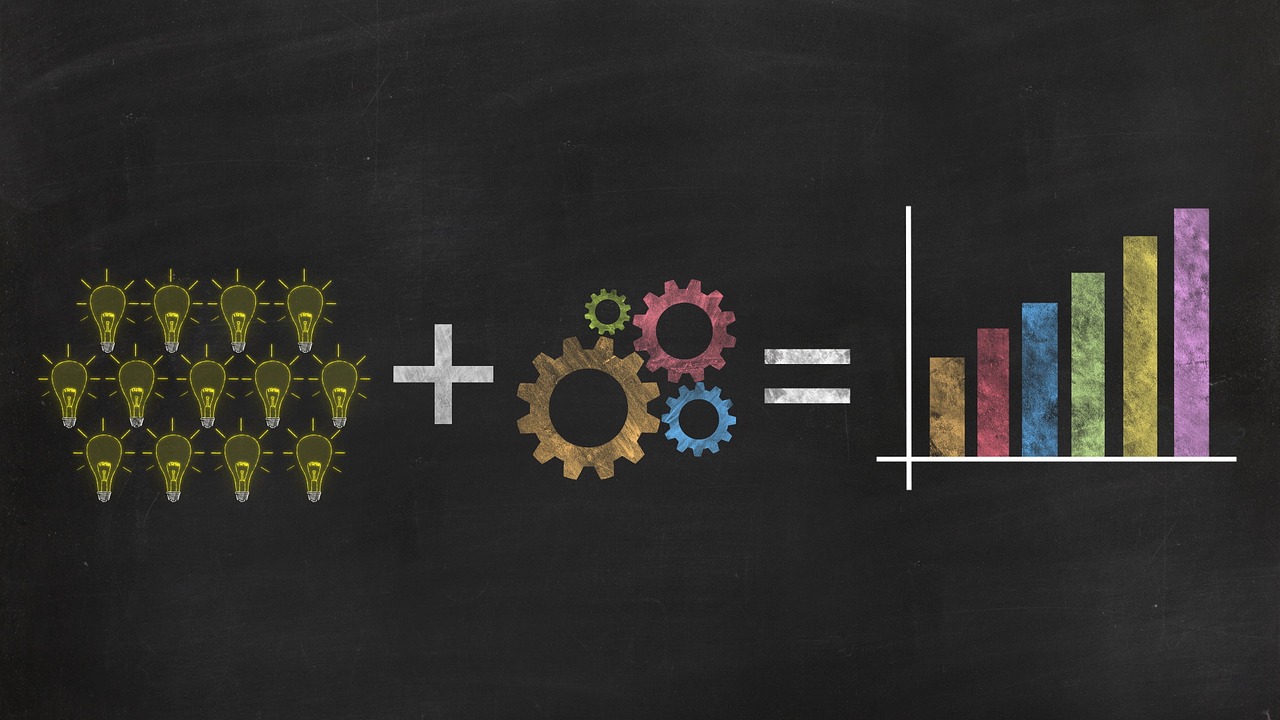
Retail is a detail-oriented business. Quite often, a great deal of money is lost because of several small mistakes that add up and create the gap between loss and profit. Although these problems are more common in small companies that have less know-how and management techniques, they also occur in large retailers. Therefore, it always pays to be safe.
See below what the four main opportunities to improve the operation of your store are:
1 – Controls
Having information on what happens at the store and making sure that information reaches the managers is essential to improve the retail operation. “The owner of the retailer needs to know what goes on in the store, what sells and what doesn’t, the inventory levels and indicators like sales per salesperson and average ticket,” states Antônio Sá, consultant and retail professor at Fundação Getúlio Vargas. “Having those numbers at hand is what will make managing the store viable. Without that, you only have the desire to sell, but don’t know what has to be improved,” he claims.
The absence of controls is more frequently found in independent retailers, but there are common situations which also take place in large retailers. “To have precise controls it is necessary to count on systems that integrate information. Investing in technology is essential to identify opportunities for improvement,” Sá says.
2 – Technology
Although technology is necessary, it is empty if it does not offer a specific gain. Therefore, before investing in systems, it is necessary to know what you wish to gain. Technology helps, but if the retail owner does not know where to go and what kind of information to ask for, they won’t go anywhere. “It’s like giving a Ferrari to someone who does not know how to drive,” claims Sá. “On the other hand, if I know how to drive, the better the car, the better the performance.”
3 - People
Another important aspect is the qualification of your personnel: you need to have qualified professionals to read these numbers, people who master customer service techniques and have very clear responsibilities in the store. “Nowadays the idea is to ‘just do it’, but ideally, who does what should be clearly defined. It’s like a team: the tactical formation helps players know up to where they should go and what their attributions are,” compares the consultant.
Retail is a people business, and to get good results it is necessary to have people who are capable of managing the operation. “It is necessary to create an effective team management, with managers who are at the POS and are qualified so the people there are more than just mere attendants,” he says. In Antônio Sá’s opinion, capable people make the systems and processes work well.
“Today, people are the biggest gap in retail. Without experienced people who want to grow, you won’t get anywhere,” states the consultant. He thinks it is necessary to have people with the right profile; those who are focused on providing good customer service to clients and who get results.
4 - Leadership
People, processes and technology are essential, but everything starts with the vision that leadership has. “There are leaders who prefer what is new, who acknowledge their limits and have the boldness to reevaluate what they do with the humility of acknowledging what is not working in the store,” says Sá. “This vision as a hidden customer, of focusing on the customer, creates a vision of constant improvement, renovation and innovation. If that does not come from leadership, rarely will it lead to any kind of change,” he concludes.
With the growth of online retail, stores have to have excellent customer service and salespeople have to learn to add something to the purchasing process. “It is currently impossible to have ‘just anyone’ at the store. The salesperson has to have a great deal of information and the capability to provide that service,” Antônio Sá suggests. In the consultant’s opinion, counting on people with this profile depends on the owner of the store. There are store owners with one or two stores who have that vision, who are open to what is new and are transforming. “But there are also large chains who have not gone through this process and are closing their stores. Those who cannot add value to the customer are losing more and more space in the market,” he concludes.